
Backyard Ecology in Bloom: Pollinator Garden Science from Seasons to Species
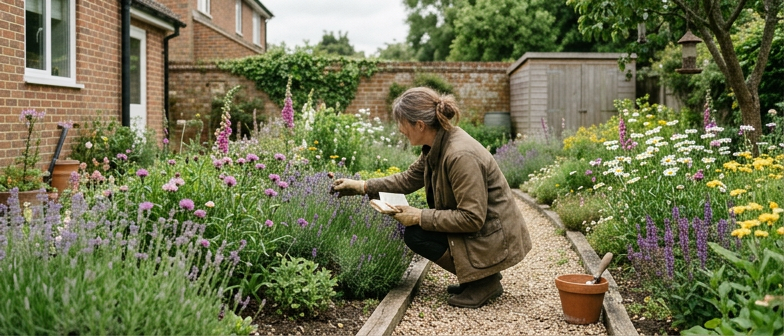
Step outside and a small patch of flowers becomes a working field site. Roots knit soil together, stems hide tiny hunters, and petals offer fuel to wings and legs. By matching plants to local conditions and watching which visitors appear through the year, an ordinary yard turns into a place to explore how life shares space and resources.
This story is part of DailySeekers's practical reading library across everyday topics.
Reading Yard Spaces As Living Habitat
Noticing Microhabitats And “Rooms”
Treating a yard as living habitat starts with noticing its different “rooms.” Even in a compact space, conditions can shift from one step to the next. One strip might be sunny and dry, another shaded and damp, a third open to wind.
Soil gives another layer of clues. Sandy ground drains quickly and tends to suit species from open, drier places. Darker, heavier soil usually stays moist for longer, supporting lusher foliage. If puddles persist after rain, that corner may suit moisture‑loving plants or a shallow basin where insects and birds can drink.
Each of these small zones can be matched with plants that evolved under similar light and moisture patterns. Choosing region‑adapted species for each “room” makes it more likely they will flourish with less effort and provide better nectar, pollen, and shelter for visiting insects.
| Yard “room” description | Plant traits that usually fit | Extra habitat ideas |
|---|---|---|
| Sunny, dry, fast‑draining strip | Deep‑rooted, drought‑tolerant species | Flat stones for basking insects |
| Shaded, consistently moist corner | Shade‑tolerant, broad‑leaf plants | Layer of leaves for soil creatures |
| Wind‑exposed edge or slope | Low, flexible, sturdy stems | Dense clumps as windbreaks |
Reading Clues From Plants And Wildlife
Plants already established on the property act like a built‑in field guide. Tough lawn weeds often signal compacted or dry soil where roots struggle to push through. Moss suggests steady moisture and shade. Shrubs that grow best in one section may be marking out pockets where wind is blocked or where fallen leaves slowly enrich the ground.
Wildlife behavior adds more information. Butterflies that return again and again to one warm spot are choosing a reliable basking site. Bees that concentrate on a particular patch of flowers are telling you that those blooms are valuable food sources. Birds slipping repeatedly into a thicket are likely using it as cover or nesting space.
When these patterns are noticed, the yard stops being a single, uniform space. It becomes a connected set of small habitats that can be strengthened with additional local plants, nesting spots, and gentle water sources.
Planning Flowering Waves Through The Season
Designing a long source of nectar and pollen begins with a basic idea: insects need food across their active months, not just during one burst of color. A garden that peaks for only a short period may leave gaps for the creatures that depend on it.
Early in the year, small ground‑nesting bees and overwintered queens emerge first, searching for nectar and pollen from early bulbs, flowering shrubs, and cool‑season wildflowers. As temperatures rise, more bee species, hoverflies, butterflies, and beetles appear, and the planting needs to offer a broad mix of flowers through the core growing period. Later, long‑blooming perennials, herbs, and some grasses can keep food available when other sources fade.
Color, shape, and height all influence who visits. Some insects easily land on flat, open flowers, while others prefer tubular blossoms or clustered heads. Mixing spires, daisy‑like forms, and dense clusters increases the number of species that can use the same space. Grouping similar flowers together also makes it easier for insects to forage efficiently.
Outdoor space does not have to be large. Containers, window boxes, and narrow beds can still offer a steady resource if plants with different blooming periods are combined. Refreshing or adding a few plants as the season advances helps prevent long bare stretches. With modest planning around timing and structure, even a balcony or small front strip can support insects from the first mild days to the last warm evenings.
Embracing Useful “Mess” For Shelter And Nesting
How A Looser Style Creates Refuge
Allowing a garden to stay a little untidy is not neglect; it is a way to create refuge. Many bees, beetles, and other organisms rely on hollow stems, dry leaves, and uneven ground to hide, nest, or spend the cold months. When every stalk is cut back and every leaf removed, those safe pockets disappear.
Stems left standing can act like tiny apartment blocks. Some bees use their hollow centers as nesting tunnels. A light layer of fallen leaves holds moisture in the soil and provides cover for insects and the animals that feed on them. Seedheads that look finished to human eyes can still provide food for birds while scattering seeds for another round of flowers.
Balancing structure and “mess” often works well. Paths, trimmed edges, or a defined seating area can make the garden feel intentional while islands of taller growth, leaf litter, and seedheads quietly serve as habitat.
Rethinking Lawns, Chemicals, And Water
Very short, closely cut lawns are often described as “green deserts” because they provide little nectar, pollen, or shelter. Allowing patches of clover, dandelions, and other flowering plants to bloom within the turf transforms that same surface into a feeding ground. Slightly longer grass interwoven with low wildflowers supports more insects, which in turn support birds and other wildlife.
A lighter touch with insecticides and similar products can help. Flowers release scents that guide insects to nectar and pollen. Strong chemicals and some air pollutants may disrupt these cues and reduce visits. Choosing spot‑treatments only when truly needed, and favoring mechanical or cultural controls, keeps more of the yard’s chemical signals intact.
Adding water makes the habitat more complete. A shallow basin or saucer filled with water and a layer of stones offers a safe place for insects to drink without slipping under the surface. Refilled regularly and kept shallow, this simple feature can turn a quiet corner into a busy gathering spot.
| Yard care style | Likely habitat outcome | Considerations for insects |
|---|---|---|
| Very short, uniform turf | Limited food and shelter | Few flowers, little cover |
| Mixed lawn with flowers | More nectar and nesting spots | Supports varied insect groups |
| Beds with leaf litter and stems | High shelter and overwintering sites | Favors cavity‑nesting species |
Turning Everyday Observations Into Simple Investigations
Watching Water Stations And Flower Visitors
A small water station can double as an easy research setup. A shallow dish or saucer with clean water and pebbles offers a landing pad where bees, butterflies, and other visitors can safely drink. Placing one basin in sun and another in light shade, with similar depth and stones, creates a simple comparison. Over several days, rough tallies of “bees,” “butterflies,” and “other insects” at each spot can reveal patterns in where different groups prefer to drink.
Changing the texture of the landing surface offers another angle. Smooth glass pieces in one dish and rough stones in another may lead to different use. The goal is to notice repeatable patterns rather than one‑time events.
Flowers and herbs turn garden beds into observation plots as well. Mixing showy plants with a few nectar‑rich herbs makes it easier to compare which blossoms attract more visitors. On calm days, short counting sessions at different times can highlight which patches act as “insect hotspots.”
Comparing Local And Introduced Plant Choices
Many gardeners are curious about how insects respond to plants that evolved locally compared with those introduced from elsewhere. One simple approach is to place a local flowering plant beside a non‑local one with similar color or flower size. When both are in bloom, short, repeated counts of visiting insects can show whether one attracts more attention.
These kinds of comparisons can also be made across seasons. Some local species may flower earlier or later than nearby ornamental plants, filling important gaps in the yearly food supply. Keeping brief notes on flowering dates and visitor activity turns casual watching into a record that can guide future planting choices.
None of these activities require specialized tools. A notebook or simple chart, a bit of patience, and a habit of looking closely are enough to turn a yard, balcony, or shared green space into an outdoor learning corner. Over time, patterns in who visits, when they appear, and which plants they favor can guide decisions that support a more robust and adaptable community right outside the door.
Q&A
-
How does pollinator garden science help improve backyard ecology basics?
Pollinator garden science connects plant traits, soil conditions, and insect behavior so gardeners can predict which flowers will actually support local species. By observing who visits which blooms, and when, you build testable ideas about nectar needs, nesting sites, and movement corridors, turning casual gardening into small‑scale ecological experiments. -
Why are plant and insect relationships central to seasonal bloom planning?
Plant and insect relationships determine when food, shelter, and breeding cues line up. Different pollinators emerge in waves, each tuned to certain colors, shapes, and nectar depths. Seasonal bloom planning uses that timing, staggering plant choices so early, mid, and late‑season specialists all find reliable resources instead of stressful feast‑and‑famine cycles. -
What role does habitat diversity play in strengthening backyard ecosystems?
Habitat diversity benefits arise when you layer groundcovers, perennials, shrubs, and small trees across varied light and moisture zones. This structural mix offers multiple nesting substrates, temperature refuges, and microclimates. As more niches appear, competition spreads out, disease impacts often shrink, and natural predators regulate potential pests more effectively. -
How can observation based learning guide native plant awareness and choices?
Observation based learning starts with noticing which insects repeatedly use certain plants and which spaces stay quiet. Comparing activity on native and non‑native flowers over weeks reveals which species anchor local food webs. These real‑time patterns often highlight underused native plants, guiding more targeted, evidence‑backed planting decisions than generic lists. -
How do backyard ecology basics support broader conservation goals in cities and suburbs?
Backyard ecology basics scale up when many small properties use similar principles: continuous blooms, reduced chemicals, structural “mess,” and native plant awareness. Together, these yards form stepping‑stone habitats that reconnect fragmented landscapes, aiding pollinator movement, genetic exchange, and resilience to heat, drought, and sudden land‑use changes.